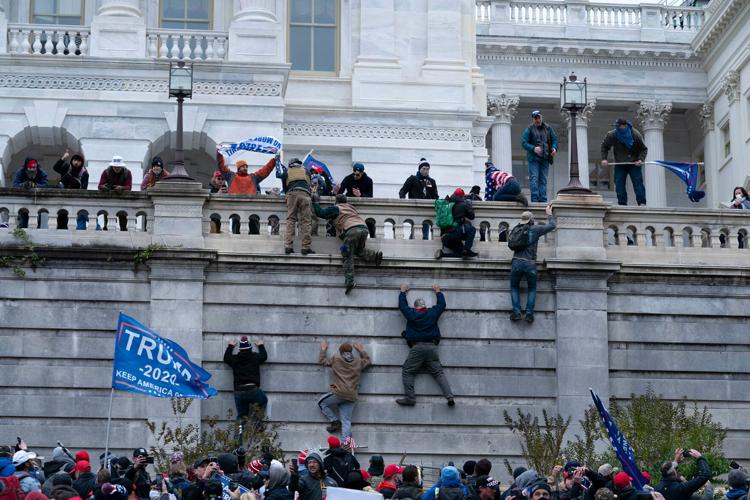
J and watched several hours of news shows in the wake of the storming of the Capitol on January 6. It’s over two weeks since then and it seems that for many, including me, it’s a slow process of coming to terms with what happened.
Many people are asking: What facts matter? What stories are emerging? What do the stories mean about what is going on right now? About what were the causes and what should be the responses? And how should I feel about things? What should I DO next?
One show that we watched was this hour long special report ("American Reckoning") on PBS
One guest, Justin Hansford of Howard University, talked (starting around 34:30 in the video) about how he is dubious about some of the various narratives that are being told.
I'm concerned that so far we've heard two narratives - one that these are bad apples that will be identified and excluded from law enforcement and then that will be the answer, or secondly, that this was a failure of preparation in terms of lack of skill or lack of know-how. I think that neither of those narratives are persuasive, but I do worry that the people that have oversight over the capitol police will begin an investigations that seem to be premised on the belief that that these were mistakes or that there was some other motives besides white supremacy and sympathy with white supremacy that was the reason for this breach .
It's really a question of who's going to win out? Who's going to win this competition over the narrative on what caused this crisis, this attack and that will determine whether we have the will to go forward and make real change, systematic change.
Other guest were selling their own narratives that explained things. The elements of narrative (who is involved? what actually happened? what were their motivations? what was the crisis? how did the crisis resolve?) are really important. Hansford suggests that the narratives are a competition. One emerges over others.
This story is fascinating in terms of this current political crisis, but also much more generally concerning how we know about the world. What narrative will take hold? How do people come to hold different narratives?
I'm thinking a lot about this topic, about how it relates to my job as a teacher of language arts (narrative, telling stories, using language). And it's making me think of many other things:
- Lots has been said about how we are in a rough spot politically because we don’t share the same facts. Mom said that Philip claims that the story of the bombs in the capital was a lie by the media. That’s a different level of distrust. Everything is a conspiracy
- What I’ve been thinking about is the idea of narratives itself how did Charlotte's narrative about me change? How did Henry's? How did my narrative about my own life change?
- Isn’t “reframing” about changing the narrative that surrounds the facts?

No comments:
Post a Comment