Tuesday, March 31, 2026

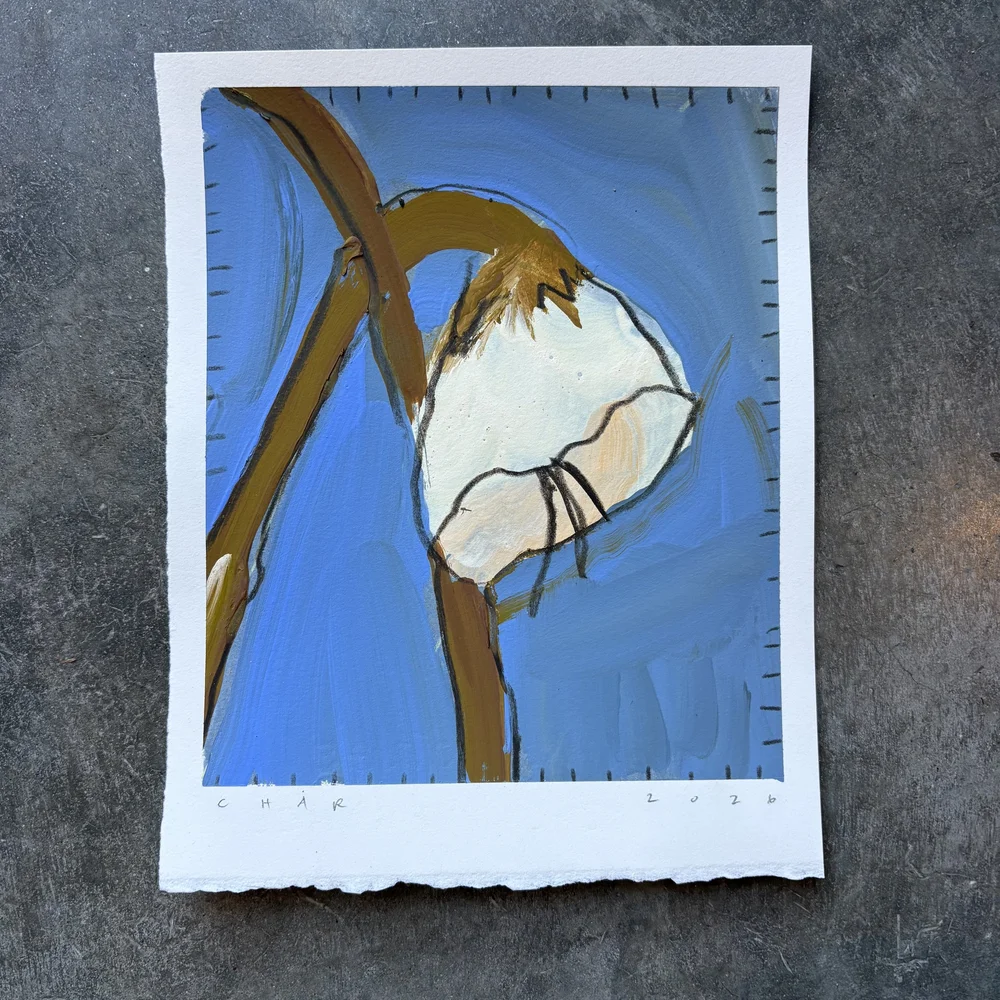
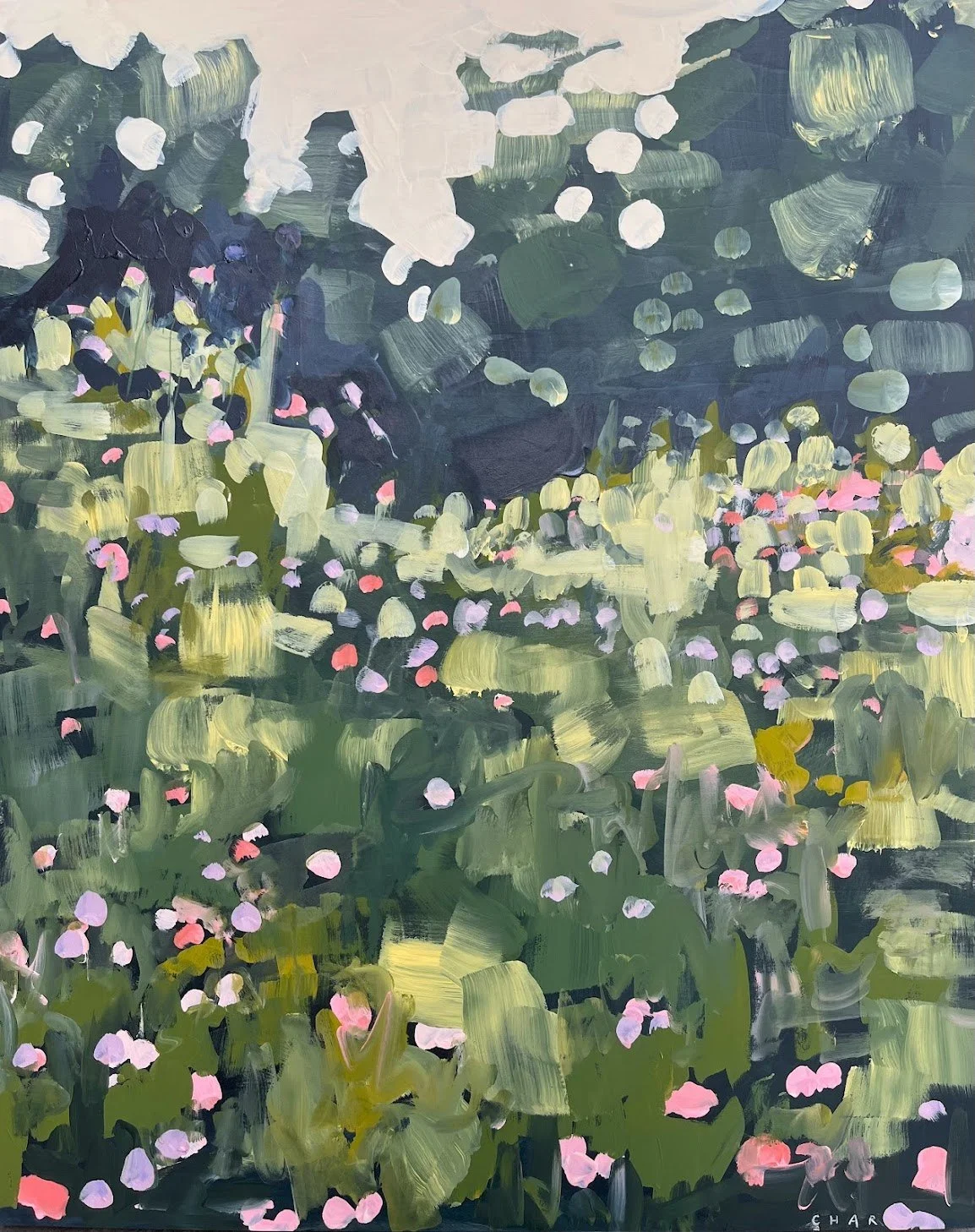
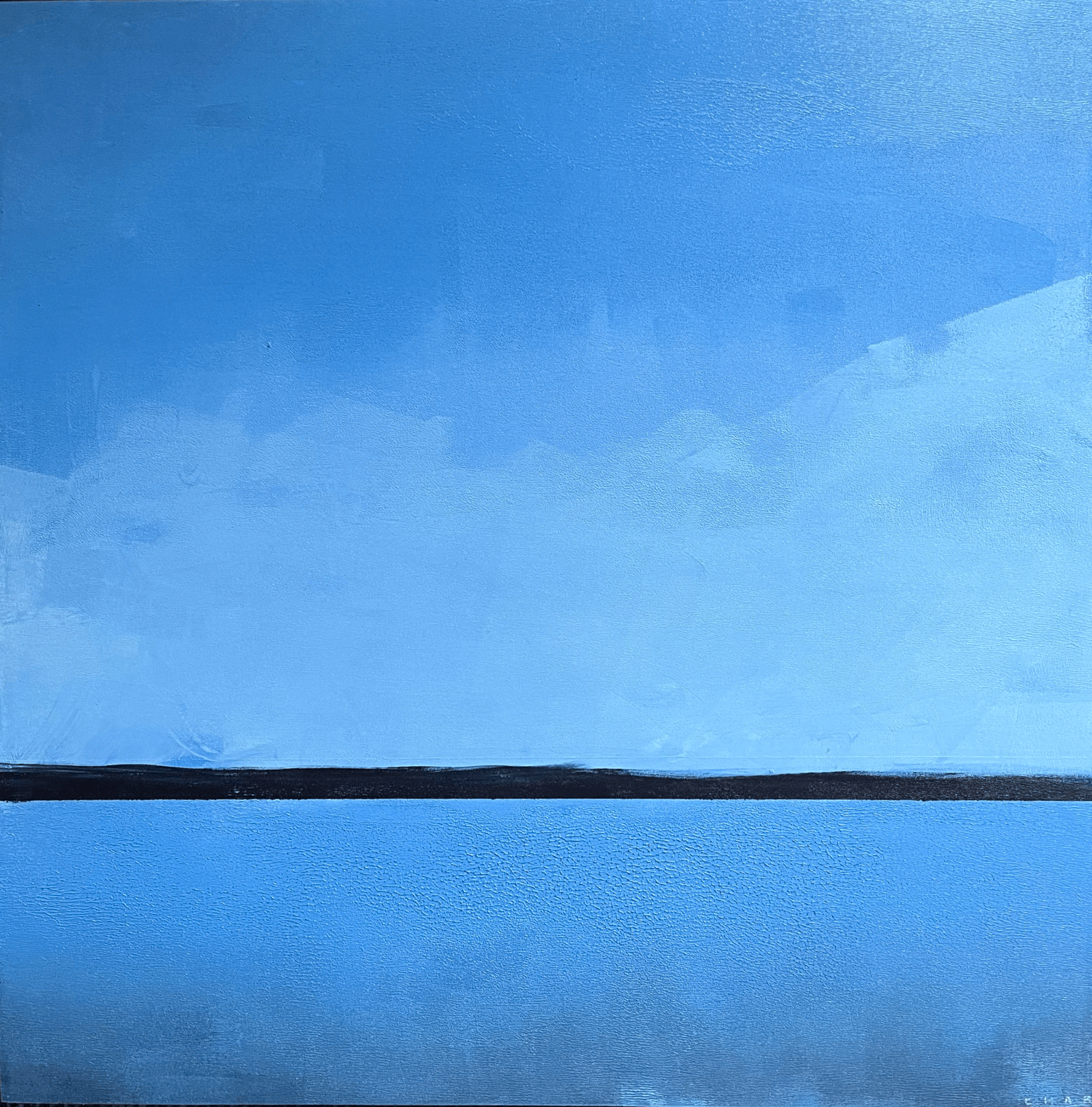
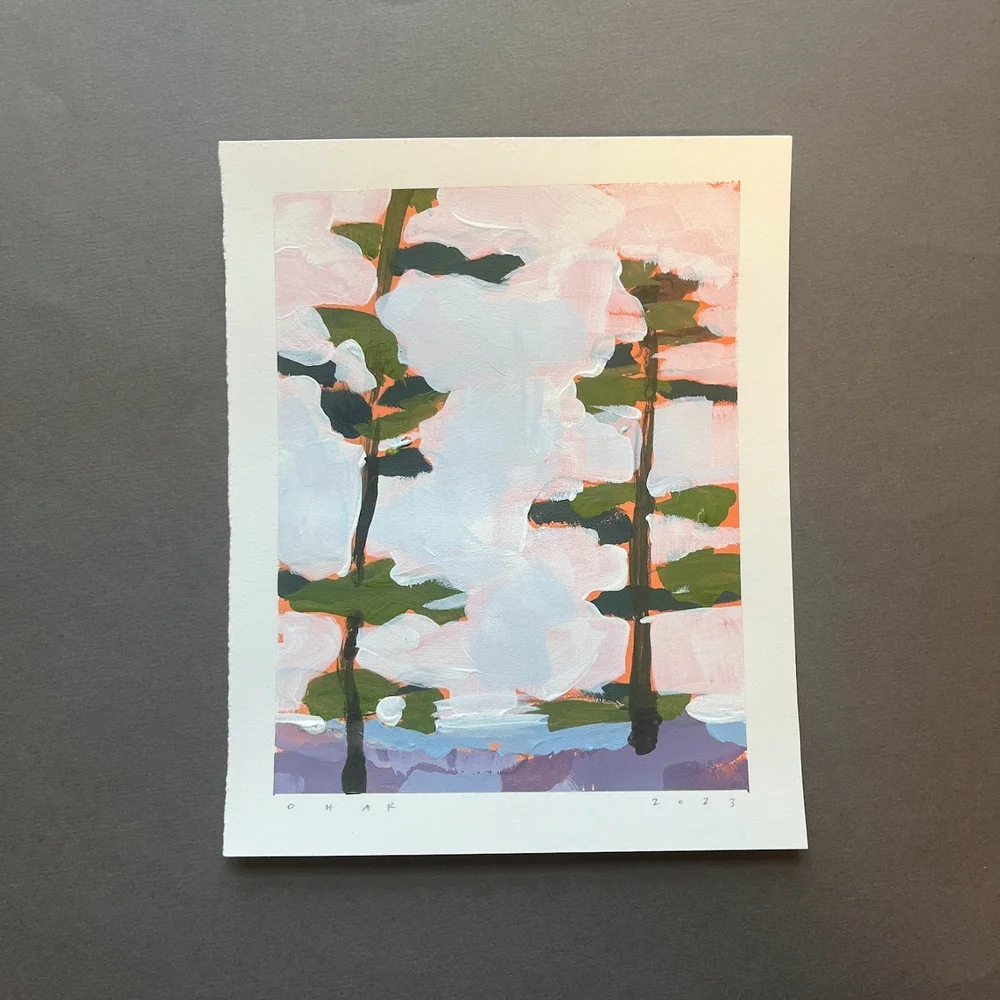
Middle Season #9 2026


Saturday, Mar 21

  1. 6:06. First clear cardinal melody in the silent air. 3 doublets. Maybe falling octaves. At 6:20 he begins again, this time going birdy birdy birdy. And horse foot sound  gallop toohee toohee toohee
  2. 6:45 the sky astounding pink. By 6:54 full. 
  3. Shc overhead now. 1:30
  4. 2:45. Shc continue. 5? 8?
  5. Fence posts. At Menards. And clover killers. 
  6. Brand 138/9
  7. 3:55 single sound of sHC recently. But not for long time before. Another V of them at 4:08

Sunday

  1. The winds have really picked up since 5 am. And the temp has dropped from 66 to 49. Not much bird song … the first I heard was 6:35 or so. Now the sound is clanging wind chime, the agitated crinkle of the fireplace plastic. A deep oceanic sound of big wind. 
  2. 4:14. 39*. Rain has dotted the windows. Leaving blowing fiercely southward down the street. Tumbling. A rabbit in the lawn across the street. 

Tuesday 

  1. 6:02. Robins constantly bickering this more ing. Outraged. 
  2. 8:26. Geese outraged. Barely clear the roof of the school. Upstaged by theSHC. 
  3. Good deal of green on the driveway honeysuckle
  4. Bits of white stuffing emerging from magnolia trees

Wed

  1. 5:28 first outraged robin 
  2. 7:20 thick carpet of dif bird
  3. Sounds. Robins, Rwb. 
  4. 12:00. Trees by the side of the pool at school - ones with little fists of leaves opening at once at the end of stems.  Smaller than Pennie’s. 
  5. Another trees with red tips -  2-3” of bright red. 

Thursday

  1. 6:17. Very big winds now. The day got to 73 degrees and at noon began falling. 47 now and falling fast. 
  2. Tiny leaves on raspberry bushes. Tiny leaves on Japanese lilac. 
  3. 7:08. Sharp crack of thunder. And now hail 2 mins later 

Friday

  1. Millions of little blue flowers in Hinsdale yards. 
  2. Daffodils in FBW
  3. In the scrubby Gowan a haze of green. 
  4. Brand 290, 301 329

Saturday

  1. 5:56 first bird I hear is a Robin. Outraged! 
  2. 6:45. Some Robin is singing its heart out. A Coltrane solo, trying variations on an exploded chord. 
  3. The three Robin posse comes to birdbath and glares at me for not keeping it filled 
  4. 6:57. The back wall of the back room has sun print (opposite of shadow?) on the back wall. Above the fireplace mantel. By 7:06 it’s way below Mantel. The brightest is behind the shadow of the DVD player. 
  5. Eddie Harris. Live right now. On electrifying EH
  6. Korean spice bush has some branch ends in fists of blossom. And some relaxing cones? Of leaves. 

Sunday. March 29

  1. 1 am. Moonlight not full coming into to the bathroom tile. 
  2. 6:33. Robin singing its heart out. Repeating same phase insistently. 
  3. Very bright red maple blossoms against blue sky. 
  4. Pink magnolias not yet open 
  5. White magnolia is about half open. 
  6. Forsythias open. 1/2
  7. Buds on trees. 
  8. Paint house

Monday 

  1. Robins up before me for the first time this year on this 50* low heading to 76* high
  2. 79* at 3:45. Very breezy. Drinking Diet Coke on patio after 2.5 hours of work. 
  3. Lots of leaves still on oak tree at 40th and Ellington
  4. Bird nest. Mud. Washed out. Still intree 
  5. Pink magnolia 1/8 open. 
  6. Something sweet I. The air. Star magnolias?
  7. In field park. Robins squawking. Kids at jungle gym complaining. Sun casting huge tree shadow on field park baseball field. Wind tumbling leaves, wind bringing RR crossing clang. Rr crossing clanging. Along with train bell. Sun annoying my left eye. 
  8. Tennis dad tweaking, thwaking, commuter train ringing and motoring along idle speed, jetliner soaring, fly motoring, flags flapping in wind. Wind sound in the bare tree branches and behind my ears. 
  9. 11:20 prolonged hail. Marble sized

Tuesday. Mar 31

  1. Robins up before me again; then fighting in the streets before breakfast 
  2. Just noticed that the tree across the street by the house is a pink magnolia 
  3. Lots of broken Japanese lilac twigs on driveway. From last nights hail. 
  4. 9:00 investigations of strange fluffing sounds from basement. Sump pump spewed thru standpipe. Smells fine. Stepping on tiles squishes up water. 
  5. After the storm. Lawns turning green. Esp those that have been fertilized. 
  6. Pink magnolia is having its opening day. 
  7. Tulips we sing up buds
  8. Star magnolias now dropping. Pink maga fully opening now. 
  9. 4:20. Just this second a cold breeze begins. Drops humid i stately. Instantly

Sunday, March 29, 2026

Report from 3x10 #9 2026


Basement

I primed the ceilings and walls (4 hours); went to meanrds to buy more ceiling paint; ordered flooring online; picked up the flooring in Bolingbrook and stacked in the back room; painted the ceiling with ceiling pant; began taking loads of garbage and tools out; finally, took the last of the wallpaper off, but in the process of doing that messed up the joint compound that was behind it.

Haiku

155-165

Guitar

working on Scarlatti while continuing to keep Bach 999 and Carcassi on my fingers; I tried to play along to Scarlatti with Lopez on YouTube. That was a useful challenge.

Exercise

3 walks and 3 body weight exercises


Saturday, March 28, 2026

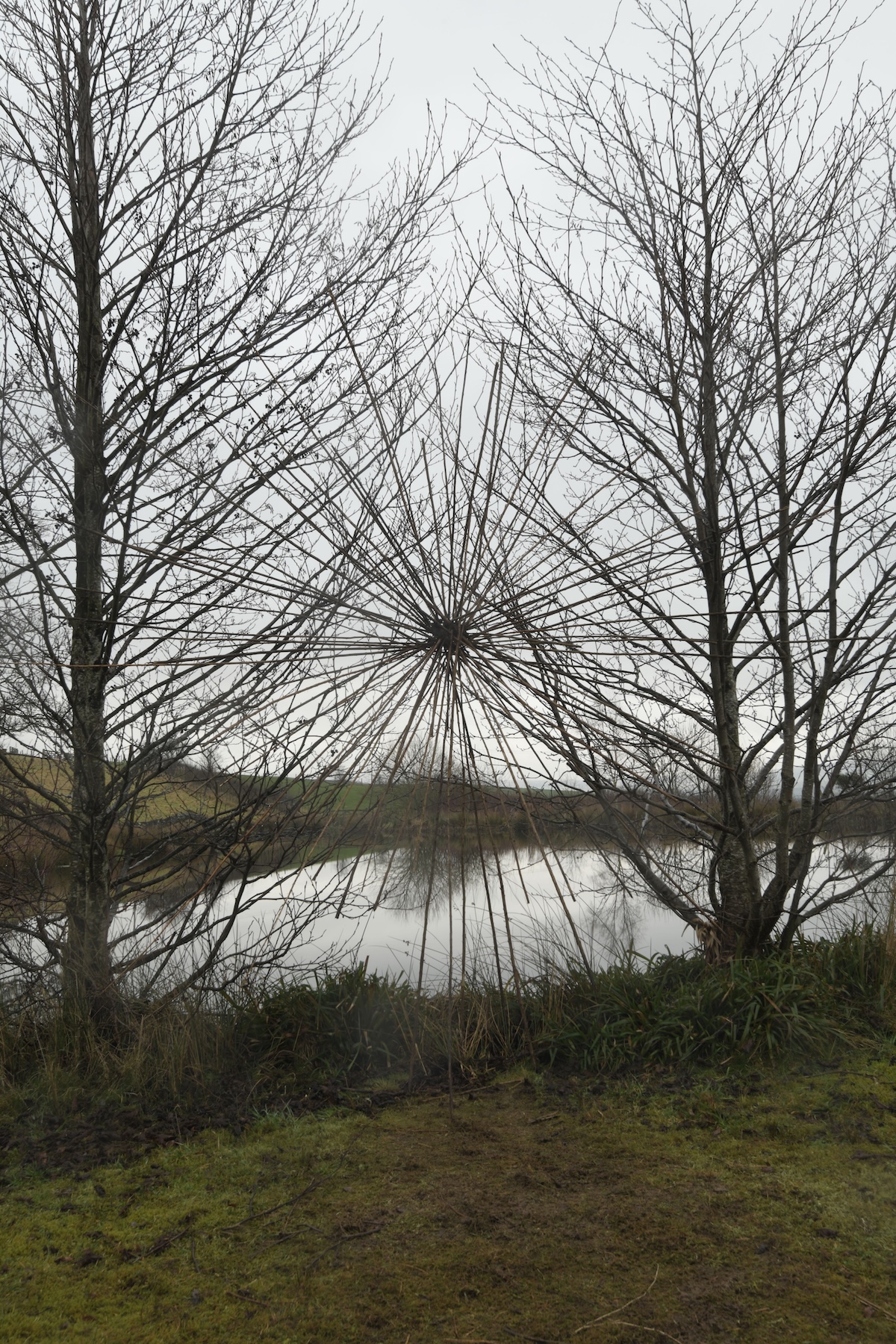
Goldsworthy: Step aside from the normal way of looking - Andy Goldsworthy


Fireweed Stalks - Feb 2026

Andy Goldsworthy

His words Walking thru hedges and Rockweed and lots from March 26 from NYer article 

  1. “Change is best understood by staying in the same place, and it takes a while before you really get to see and understand change,” he told me, the first time I visited him in Penpont. “When you travel, you see differences, but not really change, so being in the same place is important for me—seeing kids being born and grow up, and people dying.
  2. "For me, the landscape is not a place you go to for therapy and relaxation—it is to get challenged and have ideas, and to generate thoughts and feelings and emotions,” he told me. “It’s a very powerful thing to deal with.”
  3. I asked Goldsworthy if he felt that he could realize his work more effectively now because he has a stronger vision, or more resources. He answered, “I have a stronger everything.” Fifty years of making art had taught him how to work confidently with scale and mass and materials, allowing him to produce work that could last for centuries. “At the same time, there are also the ephemeral works,” he said. “They are at their strongest, and then they decay, they change, they collapse, and that can be beautiful, too.” I suggested that Goldsworthy himself was an ephemeral work. “We all are,” he replied.
  4. ****There are two different ways of looking at the world: you can walk on the path or you can walk through the hedge.  and that's the beauty of art - that it makes you step aside from the normal way of walking or looking.
  5. The point of my art is that I learn through what I'm making.  I go to nature not to impose things upon it but to feed from it to try to understand what is going on.  Human presence is always there in what I make. I'm not trying to mimic nature.  The things that I make are me.  I hope they are sensitive to the materials and the place, and my body is a part of that.
  6. For most of the time I use whatever is around.  Normally I don't know even what I'm going to make that day as I go out.  The day starts, I start by picking up leaves; it's a response to the weather, the light, and I will use thorns or spits not because I'm trying to play the primitive, but that's the best way to make the work. Find the materials and the means to work the material; there's a huge sense of freedom in that.
  7. ***The works in this exhibition are of this moment – they have been made in a year that continues to be unpredictable and difficult for everyone.   Like everyone else I am trying to work my way through the events of this year. (COVID lockdown)
  8. It is however important to keep making art. To stop would be for me also to stop thinking or feeling. The urge to create no matter what is not just a way of getting through but also fighting back. 
  9. Art has the capacity and indeed the responsibility to be creative no matter what the circumstances or restrictions - whether they be practical, financial or whatever. It also has the potential to be stronger because of it.
  10. ***During the making of Road Line, I would, whenever possible, go to the shore, cover myself in rockweed and disappear. I would look at the sky through a lattice-work of rockweed that covered my face, listen to it crackle, be nibbled at by crabs, breathing heavily after the exertion of pulling rockweed over me. As the tide rose my breathing subsidised – the cold-water ebbing and flowing, in and out, as if taking over from where my breathing had left off. My body gently lifted by the sea until I began to float – carried back and forth by the tide. (Rockweed)

What draws me to Goldsworthy.... (what positive message can be taken from this? Zimbardo)

  1. His respect for nature; his idea that you go outside not for calm, but for inspiration
  2. His idea that art is a necessary push back, a resistance (getting thru and fighting back)
  3. His creative impulse - life is making; it is as much a "normal" part of living as feeling and thinking
  4. His idea that creating/making art is about learning
  5. Go outside in all (all forms of) nature - rain, wind, rockweed, be immersed in it
  6. He says art is stronger when it has restrictions
  7. I use "whatever is around" to work with; find the materials and method
  8. You either walk on the path or walk thru the hedge - step aside from the normal way of walking
  9. Getting older in lots of ways gives you "stronger everything"
  10. There's a difference between seeing difference and seeing "change"
Change your life (how can these lessons improve your future?)
  1. Go outside, in all weather, touch natural things; 
  2. Use my own making as a "getting thru and fighting back" (against what? conformity?)
  3. Use my hands, every day.  Get out of my own head.  Daily diet of making.
  4. Learn thru making.  Thinking and writing go hand in hand... (as does feeling).  Keep a journal of making?  
  5. Embrace Fruitsliv (spelling incorrect) - there is no bad weather just wrong clothes?
  6. Be creative with whatever materials you have: the art will be stronger.  (Here, I'm thinking about "creativity" as a close cousin to "critical thinking") (reminds me of Brian Eno)
  7. Every project has its own "materials and method" that needs to be discovered... no worn paths... part of making new things involves the thinking about how to do it.  (this is maybe part of the creativity and critical thinking?)
  8. Take the analog route.  Take side trips. You'll discover more by "walking through the hedge" rather on the sidewalk.
  9. Embrace "older and growing" (Carl Rogers' idea)
  10. Be attentive to change, growth, development, decay (what does 'be sensitive to' mean?)


Friday, March 27, 2026

Forms of generosity* Slow and Inconspicuous Ways*100 Bland Meals*


Charlotte Dworshak

Unexpected forms of generosity*

From James Clear 

  • Being early can be a form of generosity. You wait, so they don't have to.
  • Leaving something unsaid can be a form of generosity. You don't always need the last word.
  • Delivering your work on time can be a form of generosity. You make life easier for everyone downstream.
  • Not taking things personally can be a form of generosity. You give people the space to say things imperfectly.

Slow and Inconspicuous Ways*

Writer and thinker Leo Tolstoy on progress:

“All really great things are happening in slow and inconspicuous ways.”

100 Bland Meals*

Everything you want is on the other side of something uncomfortable.  100 workouts, 100 bland meals, 100 hours of deep work.  the faster you accept that, the faster you win

Thursday, March 26, 2026

All you can do with the moon is measure it


credit: Neville Elder

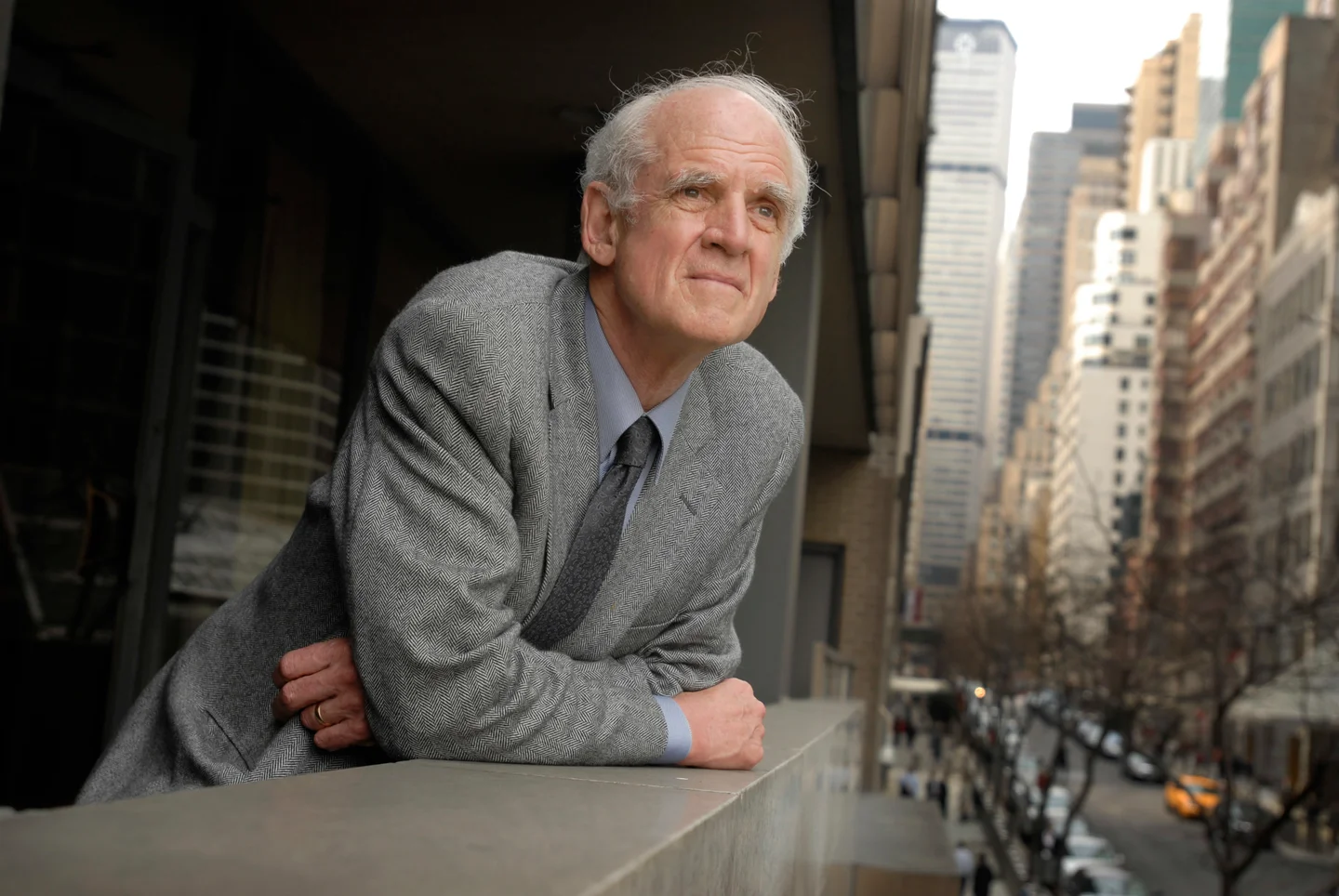
From NYer "How the Philosopher Charles Taylor Would Heal the Ills of Modernity"

 In Adam Gopnik's review of the book, “Cosmic Connections: Poetry in the Age of Disenchantment” (Belknap)

As a social and political theorist, Taylor emphasized the primacy of shared experience—the idea that identity resides within communities rather than inside brains—without succumbing to nostalgia for some lost organic society. What matters most in life to actual people, he has argued, is not the standard liberal question “Who am I?” but the richer humanist question “Where am I going?” In expansive volumes such as “
Sources of the Self” and “A Secular Age
,” he has stalked, like a soft-footed cat, a “naturalist” view of humanity which assimilates our minds and morals to a purely materialist and empirical program of study. We are not atoms in a mindless universe, he argues, but agents in a metaphysically alert one, embodied and embedded in meanings we jointly create. Art is not an accessory to pleasure but the means of our connection to the cosmos.

--

We once lived in an “enchanted” universe of agreed-upon meaning and common purpose, where we looked at the night sky and felt that each object was shaped with significance by a God-given order. Now we live in the modern world the Enlightenment produced—one of fragmented belief and broken purposes, where no God superintends the cosmos, common agreement on meaning is no longer possible, and all you can do with the moon is measure it. “I admire the moon as a moon, just a moon,” Lorenz Hart sighed, with memorable modernity, adding, significantly, “Nobody’s heart belongs to me today.” Enlightened, we are alone. 

---

Romantic poetry—the poetry of Shelley and Keats, in English, of Novalis and Hölderlin, in German—first diagnosed this fracture (the argument goes) and offered a way to heal it. Where neoclassical poets like Alexander Pope appealed to an ordered world, with clear meanings and a hierarchy of kinds, the Romantics recognized that this was no longer credible. The enchanted world had been replaced by the modern world. We could hardly go back toward ignorance—
Goethe
, one of Taylor’s heroes, participated in the modern world as a scientist—but we had to find a way to reënchant it. The best way to heal the wound is through poetry and music, of the sort that doesn’t offer propositions but casts spells and enacts rituals. The arts are not subsidiary places of secondary sensations but the primary place where we go to recall feelings of wholeness, of harmony not just with “Nature”—the craggy peaks the Romantics loved and the Italian lakes they lingered by—but with existence itself. Poetry and music do this by escaping the constraints of intellect, by going at things atmospherically rather than argumentatively. They convey a sublime atmosphere of sound, ineffable intimations of immortality, and so the apprehension of a “cosmic connection.”

-

Taylor reproduces lines from Wordsworth’s “Tintern Abbey” (“And the round ocean and the living air, / And the blue sky, and in the mind of man; / A motion and a spirit, that impels / All thinking things, all objects of thought”) and tells us, “To let oneself be carried by this passage is to experience a strong sense of connection, far from clearly defined . . . but deeply felt; a connection not static, but which flows through us and our world.” Keats’s “Ode to a Nightingale” is similarly effervescent in diction, similarly ethereal in effect. The lines “O for a beaker full of the warm South, / Full of the true, the blushful Hippocrene, / With beaded bubbles winking at the brim, / And purple-stained mouth” cast a spell as much as they describe a feeling. Taylor writes, “The rhythmic flow between the features as recounted in the poem somehow encounters, meets, connects up with the flow between the features as we live it.” Classical art, he argues, moves us by convincing us; Romantic art convinces us by moving us.

-

Art isn’t absolute, but it isn’t at all arbitrary. Taylor escapes from the divide between subjectivity and objectivity through a concept he calls the “interspace”—not the inner space where I perceive and enjoy but some resonant atmosphere that exists between me and the world. The sound of the cello in a Schubert trio isn’t entirely in the cello, where the sound begins, or entirely between my listening ears, where the experience of structured sound as music happens, but somewhere between the two, where the creation of meaning takes place. The interspace is the phenomenal field of the arts. When we listen to sublime music, then, our experience is not of pleasure but of an overwhelming feeling of encountering and exploring some truth. The music sculpts us, we sculpt the music, and to reduce this to mood misses the cosmic connection that the experience proposes and, quite often, provides.


Tuesday, March 24, 2026

On Not Being Chosen

Charlotte Dworshak

From a 2013 New Yorker article by Joan Acocella, a book review of Missing Out (and other work) by Adam Phillips

What Phillips likes best, however, is wordplay. Inversion, circumlocution, alliteration, assonance, chiasmus, paradox: there’s nothing he doesn’t go in for. “The unexamined life is surely worth living, but is the unlived life worth examining?”: that’s the first sentence of “Missing Out.” Repetition is his favorite. He loves it more than Poe did. In another sentence from the book, he tells us how Darwin, by subverting religion, encouraged the human-potential movement: “Once the promise of immortality, of being chosen, was displaced by the promise of more life—the promise, as we say, of getting more out of life—the unlived life became a haunting presence in a life legitimated by nothing more than the desire to live it.” 

Monday, March 23, 2026

Wanting isn't so simple

Charlotte Dworshak


In recent New Yorker book review about a recent book by psychologist Adam Phillips by Katy Waldman


What do we want from the lives that we secretly imagine for ourselves? “A difficult mixture of the all too familiar and the experimental, the mostly reassuring and the partly disinhibited,” Phillips contends in “The Life You Want” (Farrar, Straus & Giroux), his latest book. When we were children, he continues, our parents recognized some parts of us and not others (athleticism but not musicality, for instance, or cheerfulness but not guile); now we go around both upholding and rebelling against those received regimes. We alternately display and downplay our encouraged aspects, hide and flaunt our uncountenanced ones. “Haunted by the versions of ourselves” that remain unembodied, Phillips writes, we wish to be who we are and also who we aren’t, splitting the difference even in fantasy.

Admen and bad romance novelists would like us to think that wanting is straightforward—indivisible, intuitive, and perhaps best remedied by credit card. For Phillips, however, wanting isn’t so simple; it has byways and switchbacks, weight and depth. What if we want something forbidden? What if the objects of our longing are socially acceptable but undermine who we’d like to be? What if we try to attain our aims and fail? What if we succeed and are disappointed, or the intensity of our delectation causes us to lose ourselves? And then, Phillips warns, there is the scandalous origin of our wanting: “our helplessness, our abjection . . . and our dependence.” We cannot satisfy ourselves; we must make demands on others; worse, others make demands on us. Interacting with one’s peers “is never exactly what one was hoping for,” Phillips observes wryly in “Missing Out,” a book from 2012 “in praise of the unlived life.” Socializing involves no fewer than “three consecutive frustrations: the frustration of need, the frustration of the fantasized satisfaction not working, and the frustration of satisfaction in the real world being at odds with the wished-for, fantasized satisfaction.” And that, he adds, is when everything goes well.

Yet “it is only in states of frustration that we can begin to imagine—to elaborate, to envision—our desire,” Phillips writes. He’s articulating the traditional Freudian account of fantasy guiding us toward our best-case scenario: the “ordinary unhappiness” of reality, or what Phillips calls “the possibility of a more realistic satisfaction.” But one also feels his work pulling in a less orthodox direction, toward the pleasure of longing itself. For Freud, wishful thinking was an abandonment of reality. For Phillips, it’s an information source, one we jettison too quickly in our quest to be cured. “The Life You Want” finds Phillips chafing at his field’s prescriptiveness and dismayed by our inclination to submit to other people’s preëmptive conclusions about what we want. “Old-fashioned psychoanalysis always had a known destination,” he observes. There’s a risk that the patient gets up from the couch having discovered not her druthers but what Melanie Klein or Jacques Lacan or Sigmund Freud thought her druthers should be. “Describing the life we want,” Phillips cautions, “can sometimes be the most compliant—i.e., defensive—thing we ever do.”

Sunday, March 22, 2026

On Momentum* To Find Where You Belong* This Season's Purpose

Charlotte Dworshak Batch 43 #1


On Momentum* 

from Stewart Brand bio.  

His skydiving mishap several months earlier had been a premoni-tion, he decided. After his encounter with the bridge, his love of climbing permanently vanished, replaced by panic attacks in the face of even modest exposure to heights, such as on ski lifts. Yet not all was lost.

Brand decided that even though he had been paralyzed in fear, he had learned something: keep moving -- he who hesitates suffers. Momentum builds and will help. This was his bridge, narrow and high, and if he fell, he died.  Page 96

*To Find where you belong*

Here are thoughts I had last week -- written in fields notes while I was sitting in the late afternoon sun on a cold afternoon.  I was having doubts about why I'm working on the "rough draft/book" project.  Temptations to just let it drop, because who really needs a book?  what will it do for me?

  • trying not to be commonplace
  • having a worthwhile (honorable?) story to tell about yourself -- to yourself and to others
  • to care for the machine you are -- the animal machine that your body and brain are (maintenance)
  • to not diminish too fast
  • to have and use power, to influence things and people
  • to fill up my few remaining days well -- to reduce future regret
  • having tasted lots of the world -- fancy restaurants, wine, beer, fancy resorts -- to let it be -- or let the parts be that don't bring me satisfaction and peace
  • (additional thoughts: to find what is satisfactory, what is more than satisfactory, what is a delight to me, to build my ability to delight in the satisfactory)
  • not homeostasis but growth towards something
  • to find where you belong
  • having dropped each of these things, to serve others, to help, to ease the trials of the world for those I'm traveling with
So, to write 100 short chapters -- 10 on 10 different topics that are import -- in order to test if they have any weight, to assemble evidence that I have collected in the blog over the past 5 years.  (I currently have more like 16 chapter ideas.)

*Find This Season's Purpose*

From James Clear's newsletter:

It's rare to find your purpose for life, so instead look for your purpose for this season.

What lights you up right now? What's a good thing to dedicate this season of your life to? Perhaps more importantly, what purpose served you well in your previous season, but you have outgrown?

Life is always changing. It's okay to pick a new North Star.

Saturday, March 21, 2026

Going, Going by Philip Larkin


I thought it would last my time –
The sense that, beyond the town,
There would always be fields and farms,
Where the village louts could climb
Such trees as were not cut down;
I knew there’d be false alarms

In the papers about old streets
And split level shopping, but some
Have always been left so far;
And when the old part retreats
As the bleak high-risers come
We can always escape in the car.

Things are tougher than we are, just
As earth will always respond
However we mess it about;
Chuck filth in the sea, if you must:
The tides will be clean beyond.
– But what do I feel now? Doubt?

Or age, simply? The crowd
Is young in the M1 cafe;
Their kids are screaming for more –
More houses, more parking allowed,
More caravan sites, more pay.
On the Business Page, a score

Of spectacled grins approve
Some takeover bid that entails
Five per cent profit (and ten
Per cent more in the estuaries): move
Your works to the unspoilt dales
(Grey area grants)! And when

You try to get near the sea
In summer . . .

Going, Going
by Philip Larkin

It seems, just now,
To be happening so very fast;
Despite all the land left free
For the first time I feel somehow
That it isn’t going to last,

That before I snuff it, the whole
Boiling will be bricked in
Except for the tourist parts –
First slum of Europe: a role
It won’t be hard to win,
With a cast of crooks and tarts.

And that will be England gone,
The shadows, the meadows, the lanes,
The guildhalls, the carved choirs.
There’ll be books; it will linger on
In galleries; but all that remains
For us will be concrete and tyres.

Most things are never meant.
This won’t be, most likely; but greeds
And garbage are too thick-strewn
To be swept up now, or invent
Excuses that make them all needs.
I just think it will happen, soon.

Friday, March 20, 2026

Middle season 8- 2026


It snowed several days.  It was extremely windy other days.  It was 14 degrees one morning and 68 another afternoon.  High temps in 30s, 40s, 50s, 20s, 60s.  The tulips and poppies paused their growth.  Above the heart of a lilac flower, maple flowers (you could find many on the ground after rain(3/12 below), stick and ice sculpture by a downspout at the HC landscaping shed, yellow flowers cornelian cherry.  (I should go back to see these in field park).

Wednesday 3/11

  1. Humid this morning. Windows wet with condensation. 
  2. 1/2 moon overhead past median while driving to work. 
  3. 6:06. Heavy rain and hail. Gutter of garage overflowing. Big hail. Close to golf balls. 
  4. 6:30 now. A bird begins to chirp (long) after the hail and rain. 

Thursday 3/12

  1. Rain falling the entire first hour of day. Gentle constant. 
  2. 7:14. 3B. Amidst the rain the traffic on 55th rushing to work, the energetic - manic - electric school sign. There is the Robin. Standing patiently. 
  3. 12:03. Cold rain. Wind I take a short walk outside. See maple trees leaving red buds on sidewalk. First time seeing that. 

Thursday 3/13

  1. The C shaped moon. At 7:05. Over my left shoulder as I drive west. 
  2. The bank of purple clouds to the east. Solid and massive. Above Orange then pink sky. Brightness behind escaping from the top. Where there are no houses and you can see further upThe road, there’s brightness below. 
  3. Now the sun brightens the tips of some Of the bunched clouds. 
  4. There’s lots of red meatball (maple?) blossoms on the ground, but also if you look up, it’s definitely fringe the ends of the branches and is especially pretty against the blue sky

Friday 3/14

  1. A morning too windy for the RWB at school 
  2. 3B. In between the deep thrashing bass rumble of wind gusts individual plaintive calls by a single  RWB 
  3. 9:55. Somethings happening with these super gusty winds. The oak leaves, long thought gone, are swirling up past my window like birds. 
  4. So many leaves in the hallways. 
  5. So many robins. Dozens. In the softball field. 
  6. Afternoon a very windy gusty day and everything is blowing the leftover grass seed heads me the limbs
  7. There are alarming, squeaking, squealing sounds from the big trees in high winds salt Creek is filled to the limit, moving speedy. The grasses in the middle Prairie area are matted in the tops of green along the salt Creek shore dress.
  8. As I walk towards the south, the heavy fast water, sparkling, and blending in the late afternoon, son attractive
  9. The bean trees. You could help us along, thin seed pods clicking in the wind.
  10. Look for novels about self invention, self reinvention across all genres maybe do a book club first quarter
  11. Water flowing bricks down the side creek around the island more than I’ve ever
  12. Leaves filling up the trampoline
  13. Blocking Redwing blackbird hundreds of them down by the flat bridge and then saturating upstream saturating saturating upstream saturating upstream susurration. 


Sat. Mar 14

  1. 7:00. A pinking of the eastern sky. And immediately a cardinal speaking. Trying out a variety of songs from repertoire 
  2. Movie. Allies. Brad Pitt 

 Sunday 15

  1. Lacerating rain at 5:46. Meat loaf and potatoes in oven. In the middr of guitar practice. 
  2. 6:13. The torrential rain has filled the bird bath

Monday. Mar 16

  1. New snow on ground overnight. Wind whipping. 
  2. The speeding commuter train whipping up a huge flurry of light snow during and after it speeds past
  3. 7:18. See the pine trees again frosted with snow for awhile 
  4. 8:51. Window sills iced with snow again. 
  5. 1:50- still driving snow. 
  6. Joshua Achiron – Climbing (Calligram Records)

Tuesday March 17

  1. 15* and sunny. RWB doing their trills in the trees along the parking lot. 
  2. Swan’s way.  Almost constant reference to paintings to describe swan’s feelings 
  3. Thefunny looking ice of the sudden big drop to deep Freeze. 
  4. 7:21. The lowing lighting the slight depressions and texture of the new snow like mountain ranges foothills from a plane. 
  5. 12:27. Gutters racing with water even though it’s 21 degrees. 
  6. Lots of icicles everywhere. Connecting cars to ground. 
  7. 25* but still all the green grass is mostly. Green again w snow melted. 


Brand 110. Also Momentum about p85-90

Wednesday 

  1. many spring flowers and bushes wait patiently during the cold spell. Not growing
  2. One bush shows some yellow buds. 
  3. The water from the roofs into the downspouts creates some ice sculptures around bush twigs. 
  4. One squirrel drinks from bird bath for 60 seconds. More?
  5. Another squirrel takes a lazy leap from lawn furniture to bird feeder, sees there’s nothing there and casually leaps off. 
  6. 5:38. A robin jumps into the birdbath not along the rim and drinks. Houston the edge watches the lowering sun contentedly. Chest feathers puffed. 

Thursday

  1. two pine trees at the corner. Their tops without needles. But the rest fully alive. 
  2. 7:08. Very active. RWB. Salt on windshield. 35 going up to 61 today. 
  3. 12:45. Warm day again. Shc in the sky. Heading northwest. Was 33 now 55. 
  4. 12:40. A4 w bl and pebbles. 
  5. 6 robins hunting in deep right field. Another in foul territory. 
  6. Not many minutes between the fading of sound from one part of the sky and the warbles of various pitch coming from the Sw. Maybe a bit to the east though.   Wheeling in circles. Waiting for fellow travelers. Did I see three groups form into 1?  Did I see a group split off?  Hard to tell for sure. 

Friday

  1. 10   At the old kiosks after I’ve walked the island.  Some flabby leaves growing at the base of beige old stems. 
  2. 20. Made it to shelter 7. See an eastern bluebird. Along the creek
  3. 30 several inland lakes. I’ve made it below the church at the bend. 
  4. 40. Back to bridge to nature center. Rwb now and along the way several holes n ground looking new b newts?
  5. One last oak tree with lots of leaves still on it by the other parking lot it’s now 50minutes into the walk and I’m past the parking lot past the sign with the deer on it. Looking into the sun over the bridge the waves look quite pretty the sunlight playing on the rapid water.  There’s a tiny sparrow sized birds nest far out facing the salt Creek by the. Place in the dam was
  6. 60 wet head of a mallard shiny green in the bright late low afternoon  sun. The smell of woodsmoke. Rwb singing over each other. Collage. Passed the bridge almost back to the nature center.
  7. The grass and clover by the other shelter is distinctly green. Shelter 13
  8. Teeny tiny bird fluttering in the bar branches above. Some tiny warbler. Not much bigger than hummingbird