 |
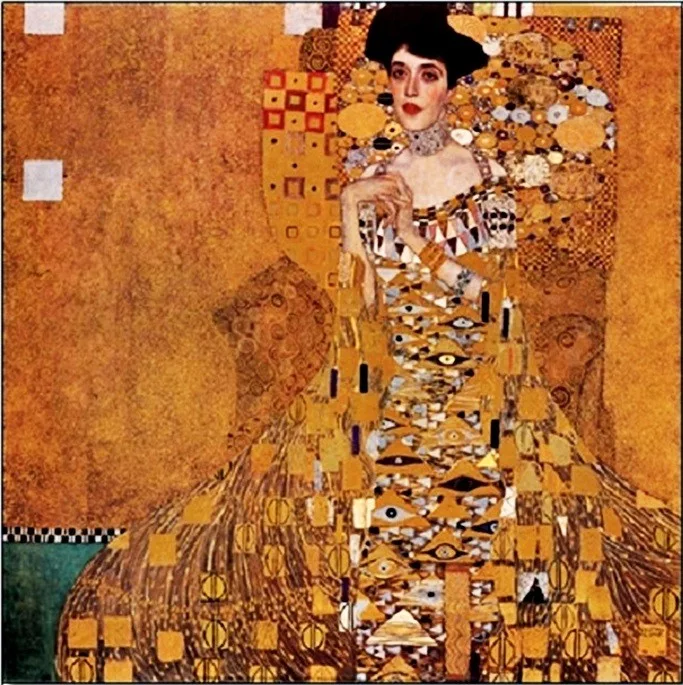
| Gustav Klimt "Portrait of Adele Bloch-Bauer" |
According to Richard Schwartz and his IFS model, the "Self" is the "seat of consciousness" and is self-healing. It is characterized by the Cs: calm, clarity, curious, creative, confident, courageous, compassionate, connected.
The "parts" in his system (the firefighters, the managers) try to protect the self and feel the self can't keep itself protected. But the self has the attributes of the "C"s above.
What I've been thinking about recently is the sense that the basic self is healthy, good. Things go bad when the self is hurting.
I think that's different than other traditions and understandings, where the self is basically bad (with either original sin, regular old sin or bad intentions) and needs to seek god or be tamed by society or laws or ethical codes to become good. It's a "deficit model" of humans.
And it stereotypes what's at the core of people. When you get to the bottom, do you get to lust, greed, competition.... or do you get to calm, curious, creativity? This basic stance towards people is important, I think, for teachers, parents.
(Here's some Things I Learned From reading about IFS.)
***
Super-coincidentally... right after I wrote this, I listened to the Tara Brach meditation on "seeing Goodness." (link to my notes). Interesting especially the link between "original sin" and "original goodness." Here are my summary notes on this:
Day 32. Seeing Goodness.
We each need for our essential value to be seen and honored. This means that when we're able to bear witness to goodness in others and ourselves as well, it's a precious gift. Focus on good doesn't come natural to us. What we do is scan for danger, the negativity bias. It's not a gratifying way to go through the world. How to move past the negativity bias and self-doubt, defensiveness, fear. See the world as a caring grandfather or mother would. We need 6x the positive comment to each negative comment. Teacher story- teacher asked each student to write one good thing about each student in class; she shared the good things and that set the stage for the year. We tend to stay with the trance of unworthiness. We can rewire our brain. We can see the "original goodness" in people. Buddhists use that term. We tend to see it in kids -- their innocence and ability to apprehend beauty. Look for the secret beauty in others. See past the dog with leg in the trap and see the being who wants to love and be loved. Child like beauty that "shines through". The greatest gift we can offer each other is to become mirrors of goodness. We have to remind each other to trust our intrinsic creativity,wisdom and trust purity of hearts. Practice: picture someone easy to love; visualize how they look at you, their sparkle, aliveness. What are the quality you most appreciate? How do they show you their love? Their brightness? their playfulness? Imagine sharing this with them and how they'd appreciate hearing it. Now imagine they're gazing back and appreciating the things they most love about you. What are they seeing? What are the the qualities of your original goodness that you most appreciate? Perhaps honesty, humor, kindness, love of natural world. IF it's difficult, picture happiness as a child and your OG. Imagine your trusted dear one. Hold yourself (hand on heart) with appreciation and love. Now picture other loved ones one at a time and tune into their goodness (in their current self or, for more challenging relationships, him or her as a child, happy and at ease.) Be a mirror of goodness, sharing appreciation, imagine how they would take this expression of love.

No comments:
Post a Comment